
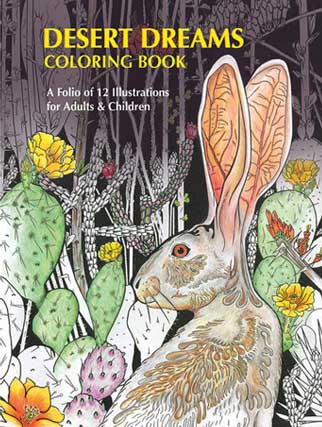
A high-quality coloring book with photo-realistic illustrations for fans of our popular film DESERT DREAMS: Celebrating Five Seasons in the Sonoran Desert.
Desert Dreams Trailer
Our DESERT DREAMS COLORING BOOK features Sonoran Desert plants and animals in natural settings, a great companion to our DESERT DREAMS film on DVD. In it you’ll find desert wildlife and plants seen in our award-winning video; a desert tortoise eating prickly pear fruit and a roadrunner feeding its chicks, for example.
Conceived and Edited by Thomas Wiewandt
Copyright 2021 by Wild Horizons Publishing
2nd Edition (softcover): ISBN 978-1-879728-09-7
Size: 9×12 inches; 12pp
12 photo-realistic illustrations, perfect for framing
Bound in a folder; Printed in Arizona
For special discounts and bundles savings on products click button below
Order $49 or more and receive a $10 discount at checkout
Click on thumbnail of each illustration below to see color photos and natural history notes for these plants and animals.
Tortoise

DESERT TORTOISE
-
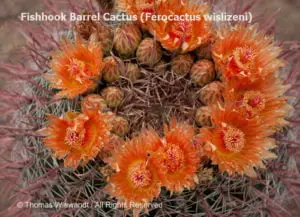
- Fishhook Barrel Cactus (Ferocactus wislizeni)
-
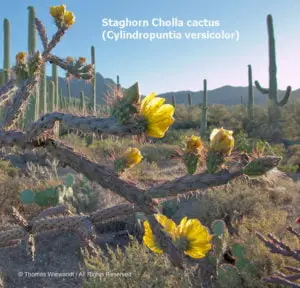
- Staghorn Cholla, Cylindropuntia versicolor; Tucson, Arizona, USA.
-
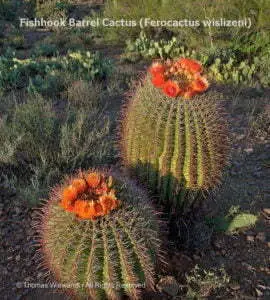
- Fishhook Barrel Cactus (Ferocactus wislizeni)
-
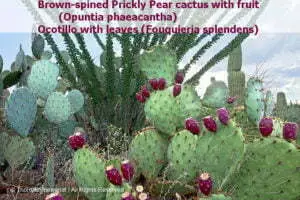
- Brown-spined Prickly Pear cactus with fruit (Opuntia phaeacantha); Ocotillo with leaves (Fouquieria splendens)
-
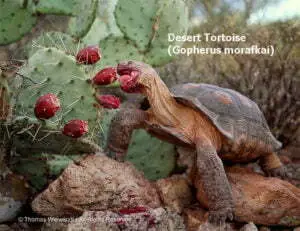
- Desert Tortoise (Gopherus morafkai)
Quail

GAMBEL's QUAIL
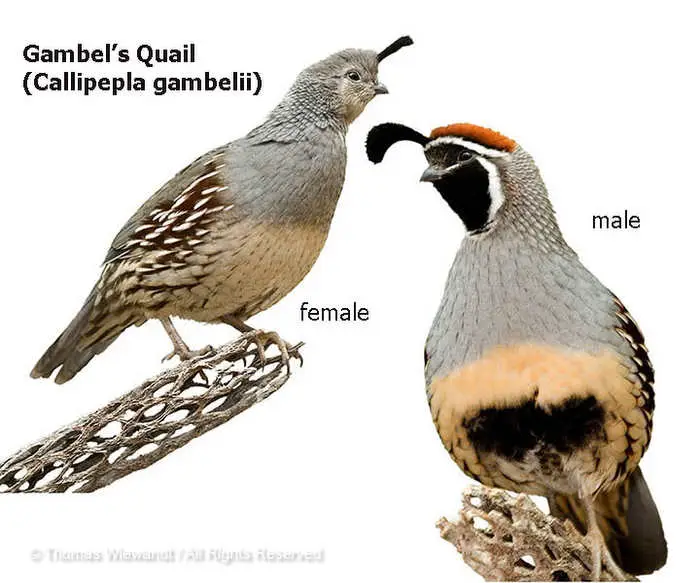
GAMBEL’S QUAIL (Callipepla gambelii) abound in desert regions throughout much of the American Southwest, live in close harmony with people, and don’t migrate to warmer places in winter. These gregarious birds roost in trees at night but seldom fly. The female lays 10-12 eggs on the ground, hidden in vegetation, often at the base of a tree or rock. Incubation lasts about three weeks and, as hatching nears, the chicks respond to their mother’s voice by cheeping within their eggs, which synchronizes the hatch. Once free from the eggshell, these precocial balls of fluff are ready to run behind their parents within hours after hatching. During especially wet summers, Gambel’s quail may raise two or three broods in one year; and they are very important in the food chain. They nourish many desert predators—hawks, bobcats, roadrunners, and Gila monsters, for example. ~TW
-
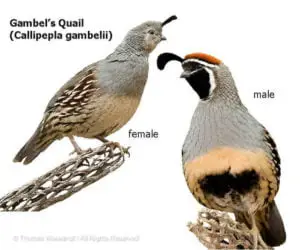
- Gambel’s Quail (Callipepla gambelii)
-
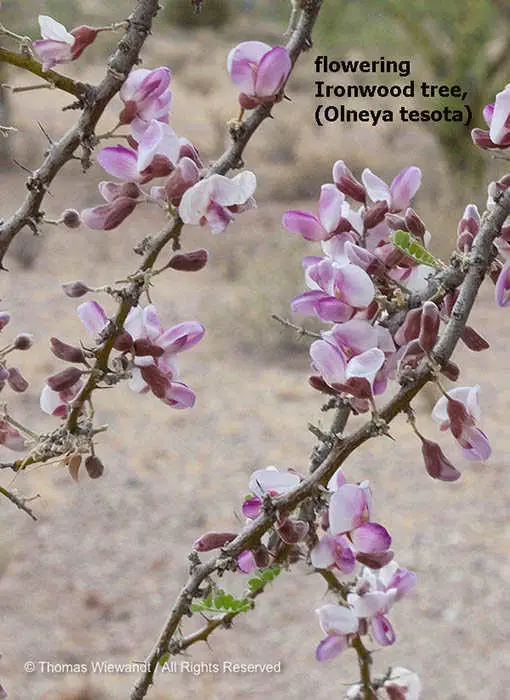
- Flowering Ironwood Tree (Olneya tesota)
-
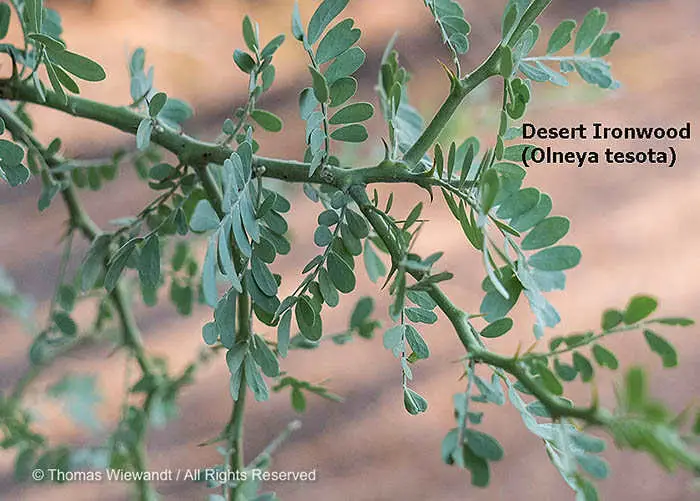
- Desert Ironwood (Olneya tesota)
Mule Deer
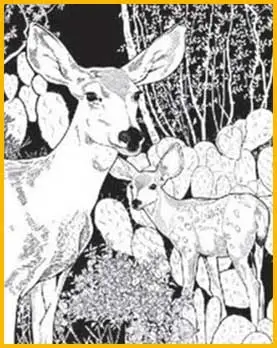
MULE DEER
-
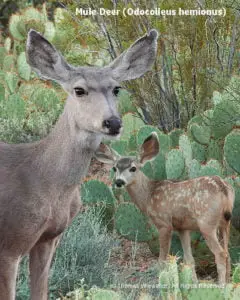
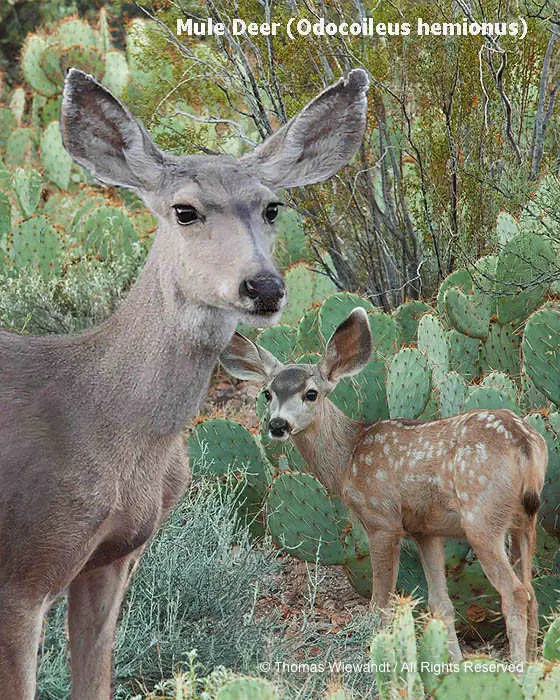
- Mule Deer (Odocoileus hemionus)
-
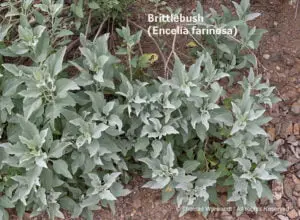
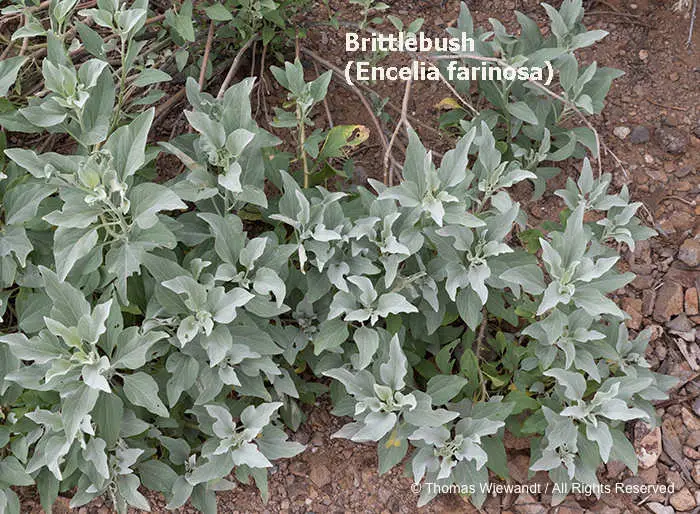
- Brittlebush (Encelia farinosa)
-
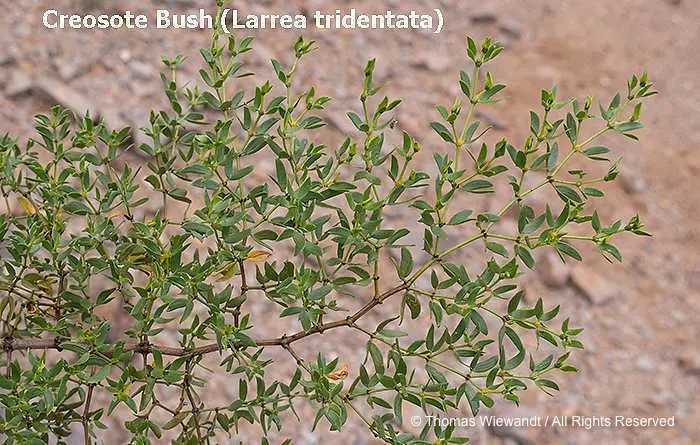
- Creosote Bush (Larrea tridentata)
Silk Moth
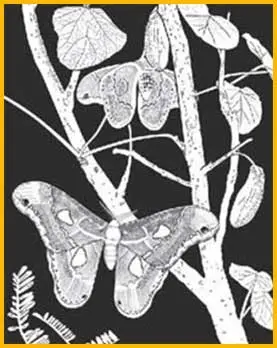
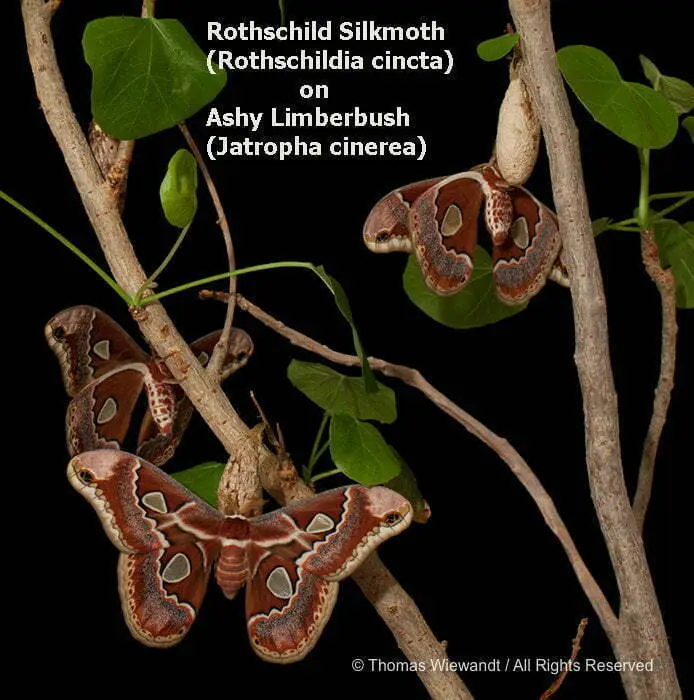
ROTHSCHILD SILK MOTH
-
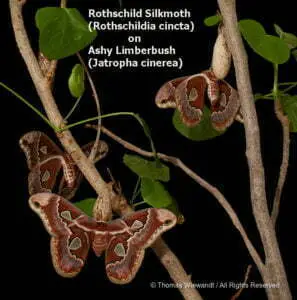
- Rothschild Silkmoth (Rothschildia cincta) on Ashy Limberbush (Jatropha cinerea)
Gila Monster
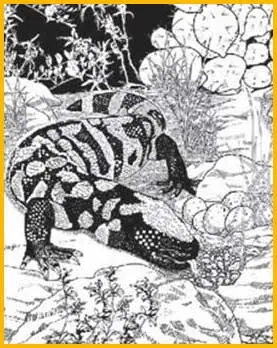
GILA MONSTER
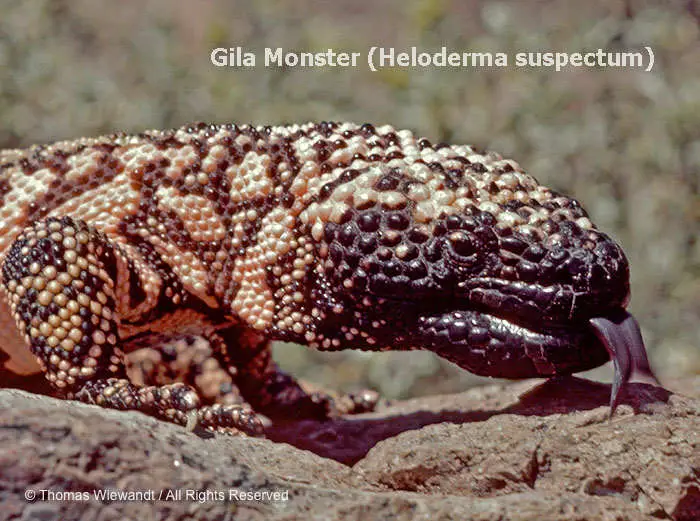
Gila monsters are unusual reptiles with specialized feeding habits. They raid rodent, bird, rabbit, and reptile nests. Unlike most carnivorous lizards, Gila monsters are never in a hurry to capture and consume their prey. They dine at leisure and devote much of their mealtime to tongue-flicking. Spending more than 90% of their time underground just resting, they typically need no more than one meal per month to stay healthy. Scientists who have studied the incredible metabolic efficiency of these lizards discovered proteins in their venomous saliva that led to the synthesis of a medication used to stabilize glucose levels in patients with Type 2 Diabetes.
Note for coloring book artists: The tongue of Gila monsters is dark purplish gray. In contrast, Mexican beaded lizards have pink tongues. ~TW
-
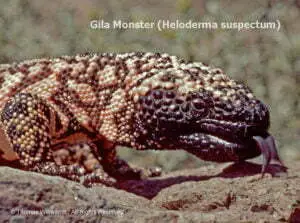
- Reticulated Gila Monster (Heloderma suspectum suspectum) flicks its tongue (much like a snake) to smell/taste its environment. Gila monsters have a blackish tongue, and beaded lizards have a pink tongue. Their forked tongue is a specialized sensory organ used to locate hidden prey. Tucson, Arizona, USA.
-
- Creosote Bush (Larrea tridentata)
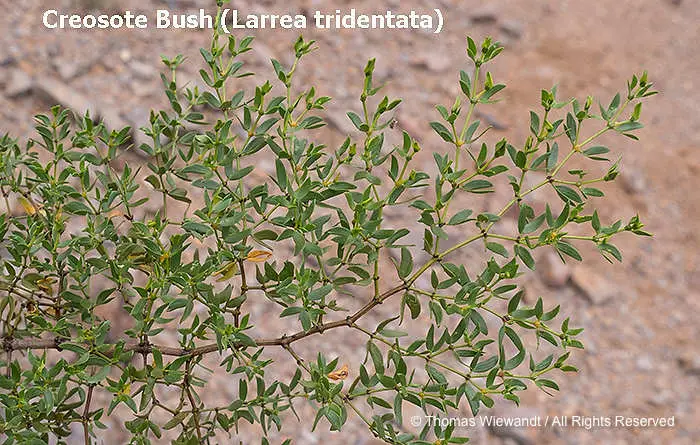
-
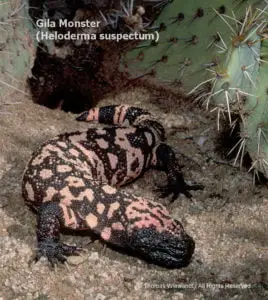
- Gila Monster (Heloderma suspectum)

-
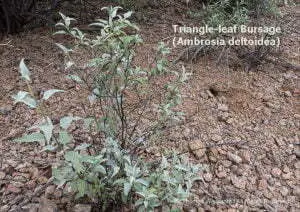
- Triangle-leaf Bursage (Ambrosia deltoidea)

Jackrabbit
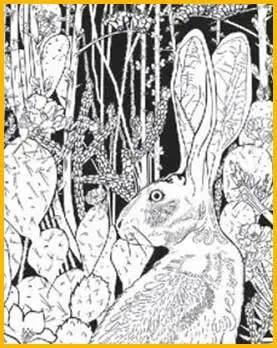
ANTELOPE JACKRABBIT
-
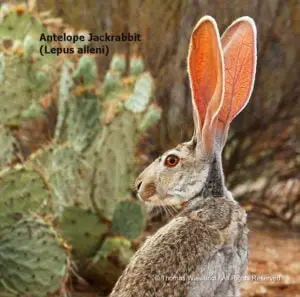
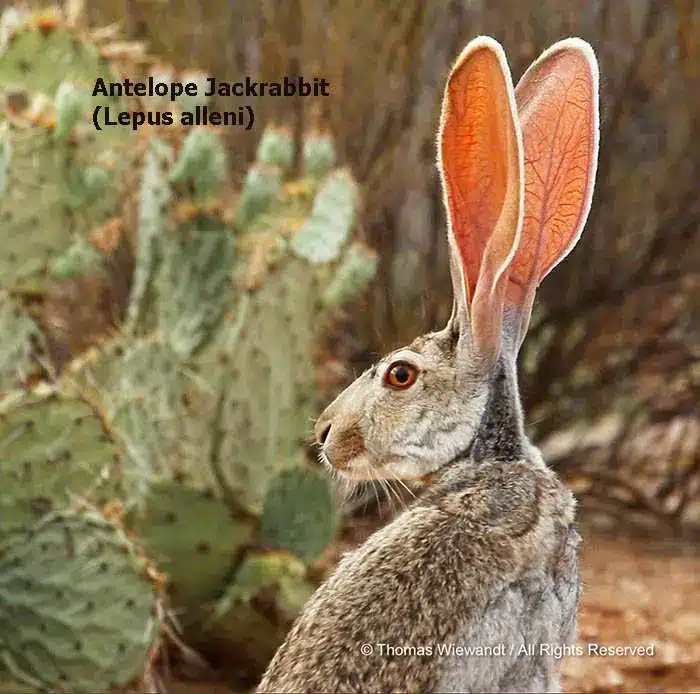
- Antelope Jackrabbit (Lepus alleni)
-
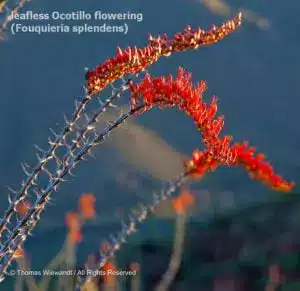
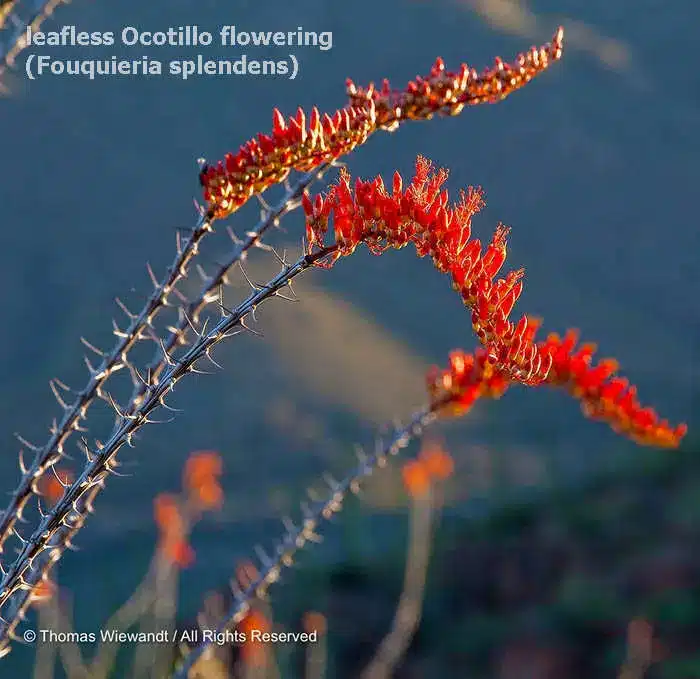
- Leafless Ocotillo flowering (Fouquieria splendens)
-
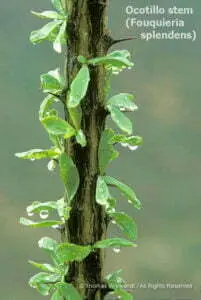
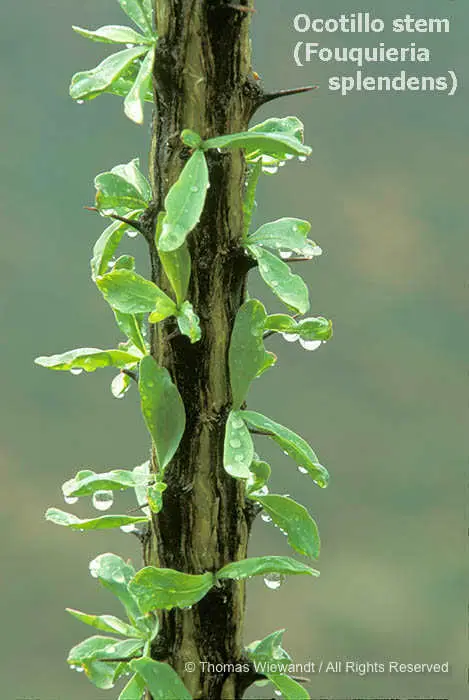
- Ocotillo stem (Fouquieria splendens)
-
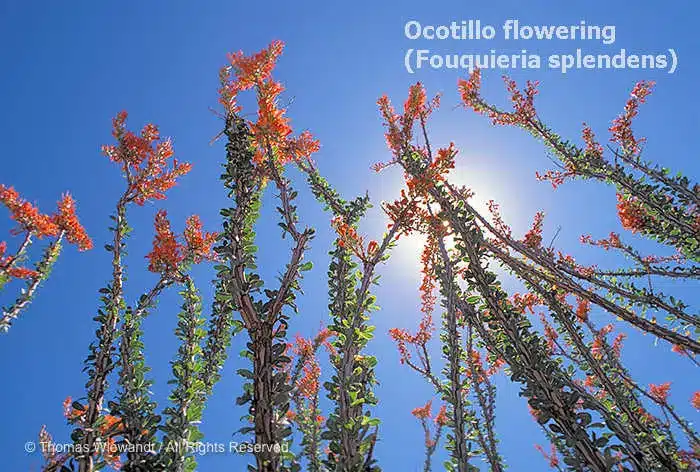
- Flowering Ocotillo (Fouquieria splendens)
-
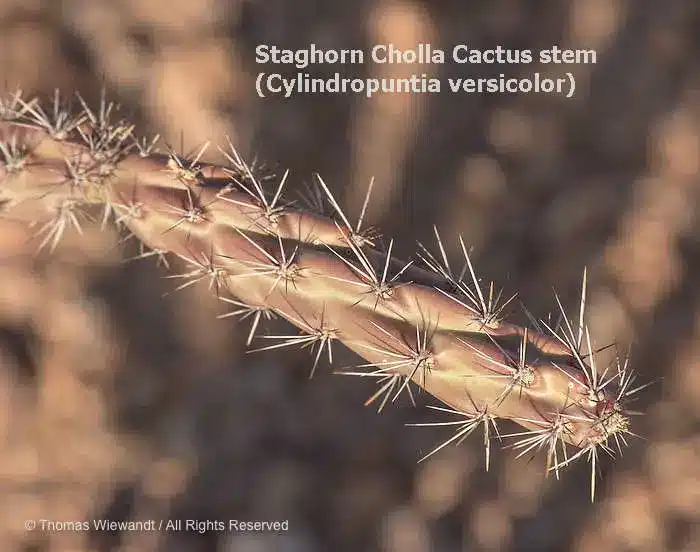
- Staghorn Cholla cactus stem (Cylindropuntia versicolor)
-
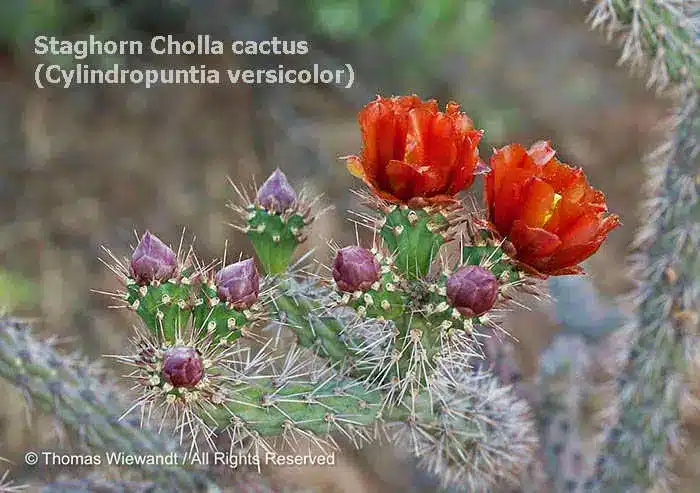
- Staghorn Cholla cactus (Cylindropuntia versicolor)
-
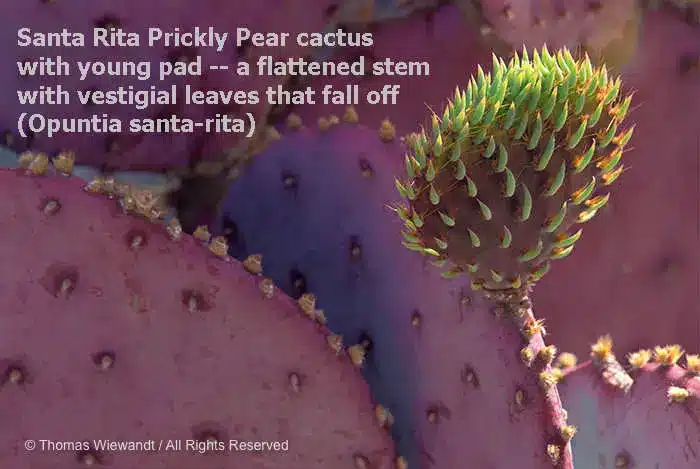
- Santa Rita Prickly Pear cactus with young pad (Opuntia santa-rita)
-
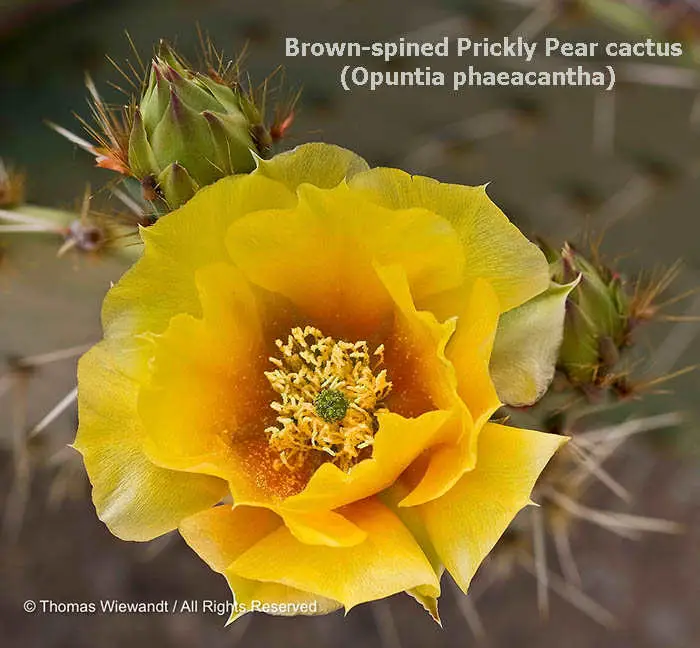
- Flowering prickly pear cactus, (Opuntia phaeacantha)
-
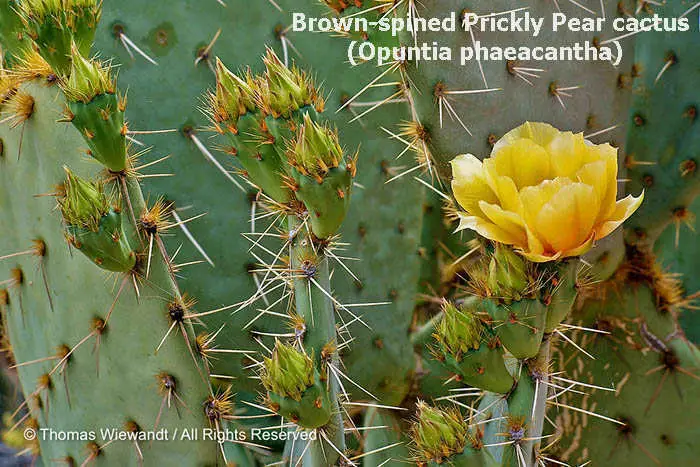
- Brown-spined Prickly Pear cactus (Opuntia phaeacantha)
Coyote
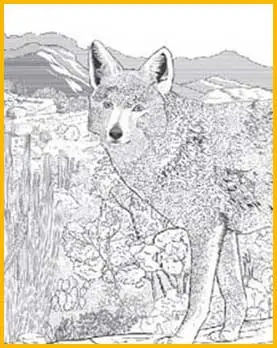
COYOTE
-
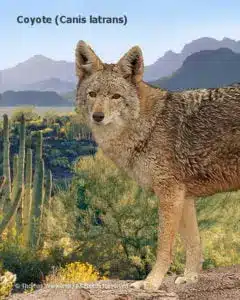
- Coyote (Canis latrans)

-
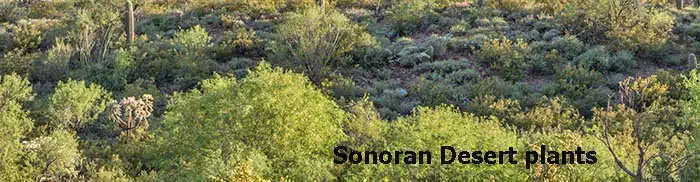
- Sonoran Desert landscape
-
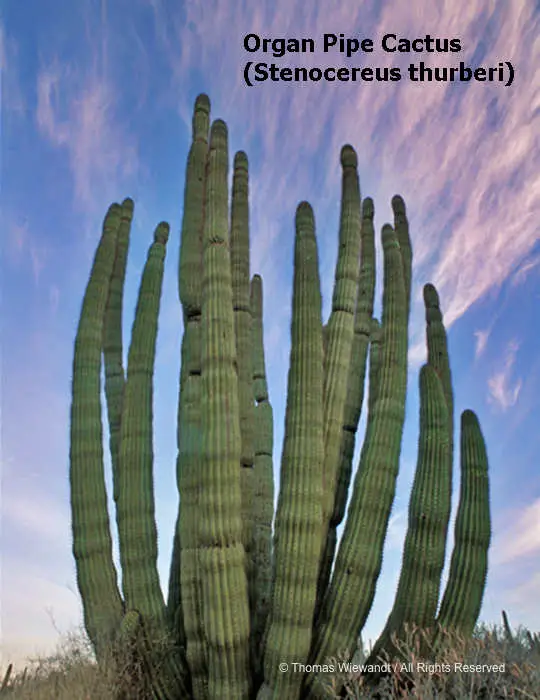
- Organ Pipe cactus (Stenocereus thurberi)
Harris Hawk
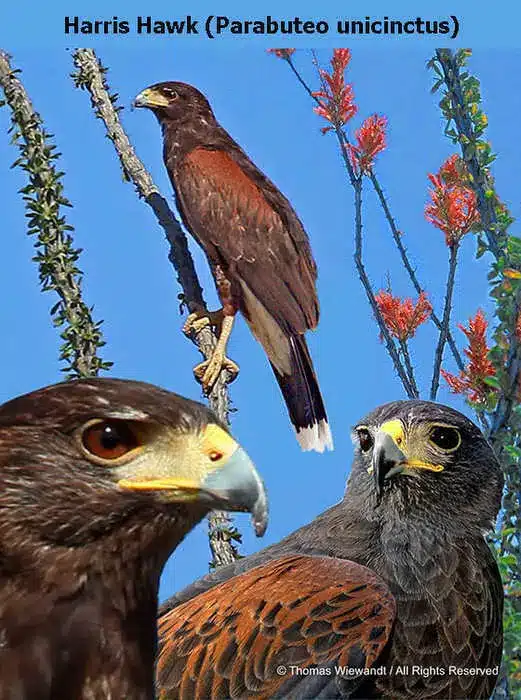
HARRIS HAWK
-
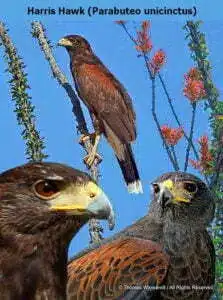
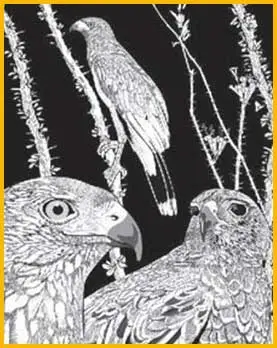
- Portrait of a Harris Hawk. (Parabuteo unicinctus). Arizona-Sonora Desert Museum, Tucson, Arizona, USA.
-
- Leafless Ocotillo flowering (Fouquieria splendens)
Bobcat
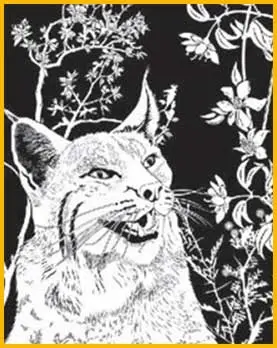
BOBCAT
-
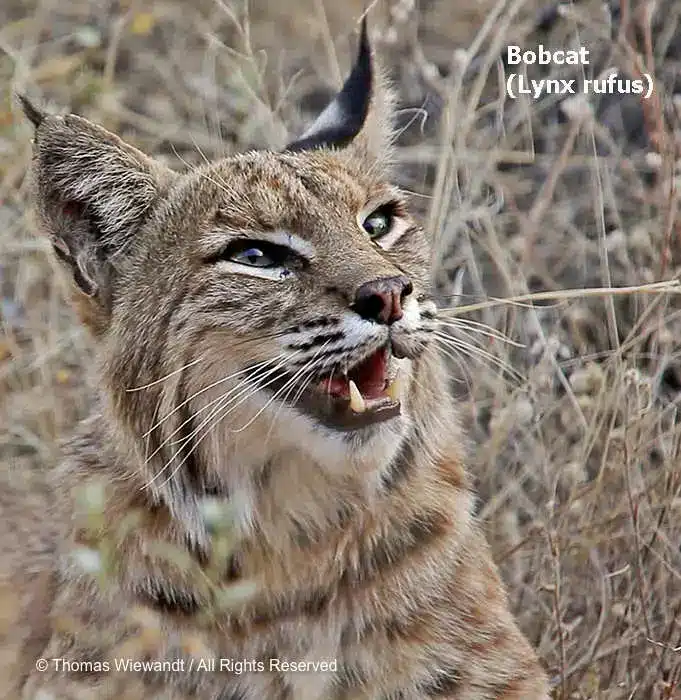
- Bobcat (Lynx rufus)
-
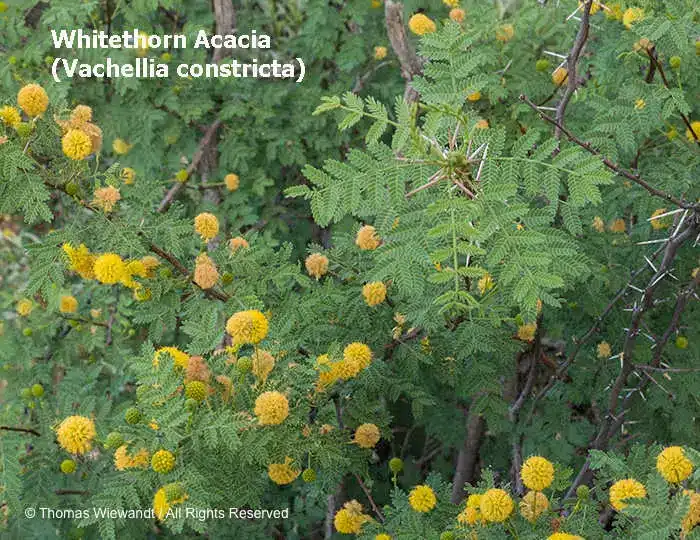
- Whitethorn Acacia (Vachellia constricta)
-
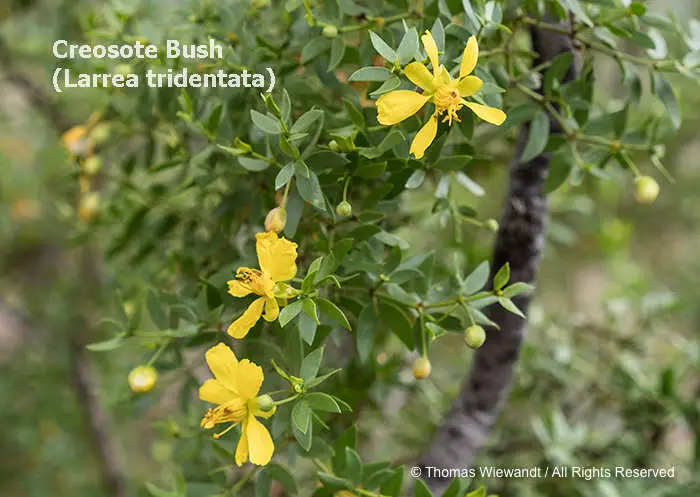
- Creosote Bush (Larrea tridentata)
-
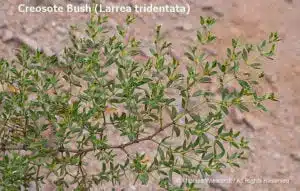
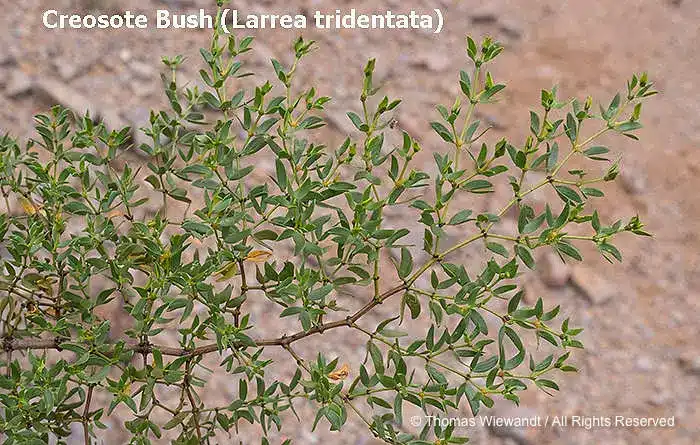
- Creosotebush foliage (Larrea tridentata)
Roadrunner

ROADRUNNER
Greater Roadrunners are born to run (reaching speeds up to 20mph (=32km/h) , but they can fly for short distances. They build stick nests up in trees, shrubs, and cacti, so well hidden that few bird enthusiasts have ever spotted one. They lay 3-6 eggs. Both parents feed the young, but only males sit on the nest at night. While being fed, the chicks are quiet and calm. Parents stuff whole dead animals into the chick’s mouth, usually headfirst. And a chick might spend ten minutes or more gulping and resting to move a large lizard from its throat to its stomach. ~TW
-
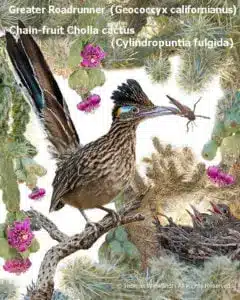
- Greater Roadrunner, (Geococcyx californianus) with grasshopper prey, showing raised crest and blue- and orange-colored patch of bare skin behind the eye. Sonoran Desert, Tucson, Arizona, USA.

Bat & Elf Owl
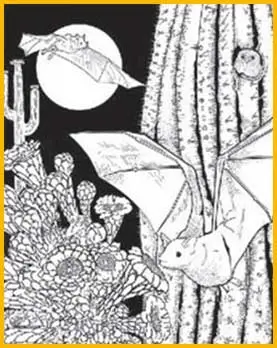
LESSER LONG-NOSED BAT & ELF OWL
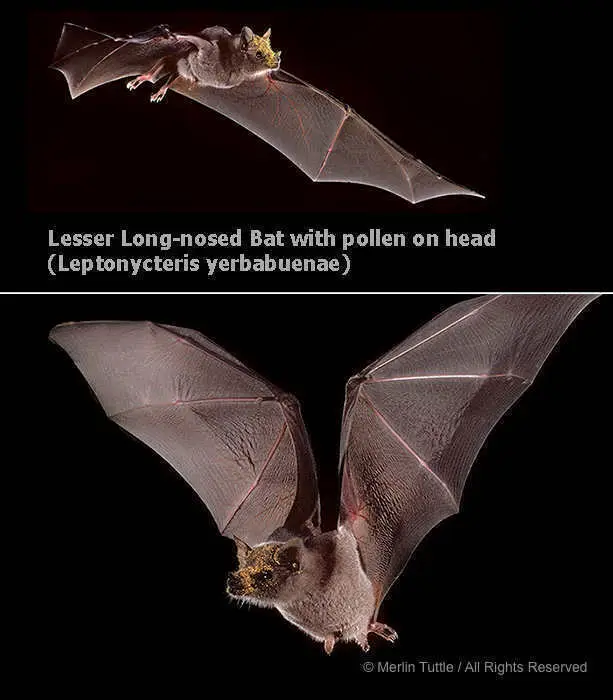
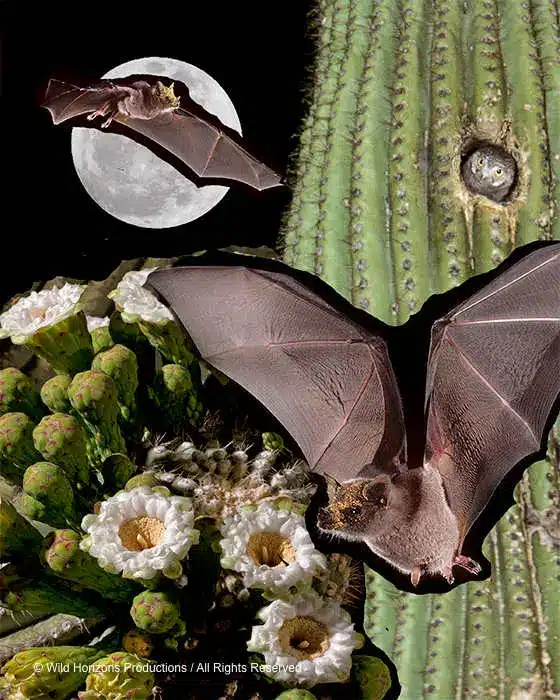
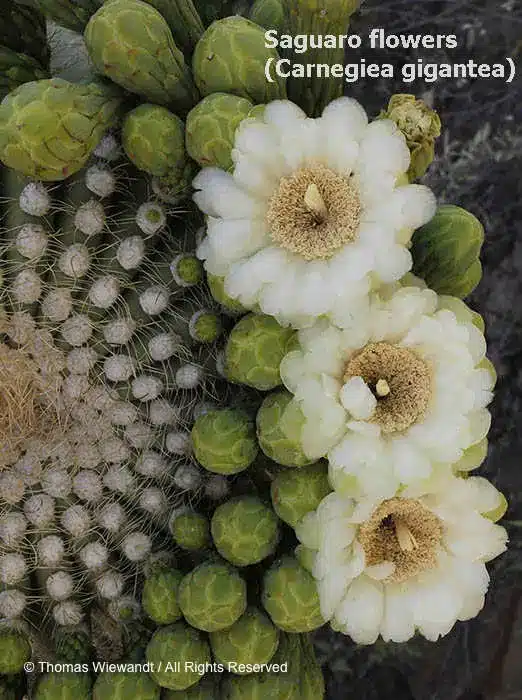
The LESSER LONG-NOSED BAT (Leptonycteris yerbabuenae) is one of the few bat species to make long distance migrations. In spring and summer, they leave fall/winter roosts in south-central Mexico. Timing their travel to coincide with flowering and fruiting food plants, they fly north to roost in caves and abandoned mines in northwestern Mexico and southern Arizona. Here, in the Sonoran Desert, they feed on nectar, pollen, and fruit of giant columnar cacti, including the saguaro (Carnegiea gigantea). Human disturbance of roosting sites that these bats depend on has jeopardized their survival, so populations of the lesser long-nosed bat are listed as Vulnerable on the IUCN Red List of Threatened Species.
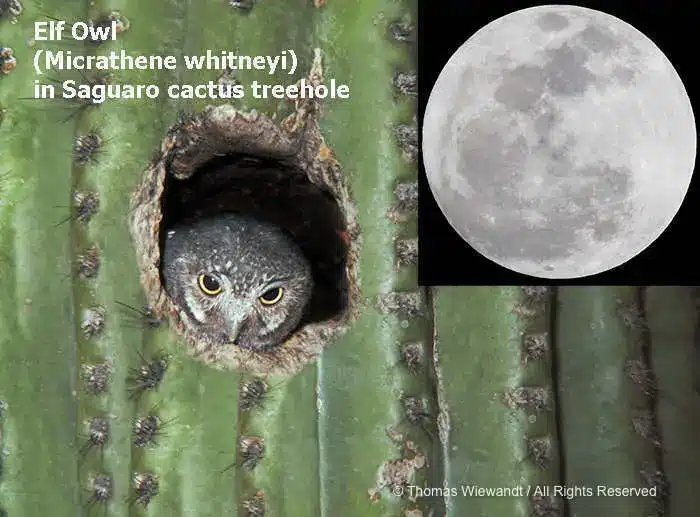
In spring and summer, ELF OWLS (Micrathene whitneyi) also migrate north from overwintering sites in south-central Mexico to the Sonoran Desert (and other lowlands in the Southwest). These tiny owls, about 5 inches tall, nest in natural tree cavities or vacated woodpecker holes, including those in giant cacti. Elf owls are nocturnal and prefer to eat insects, scorpions, and centipedes. ~TW
-
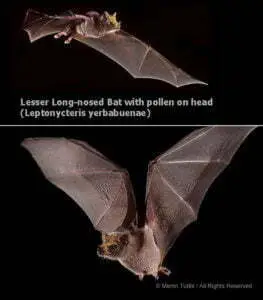
- Lesser Long-nosed Bar with pollen on head (Leptonycteris yerbabuenae)
-
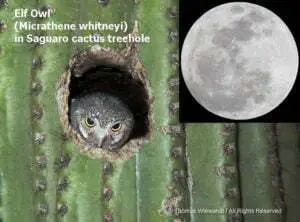
- Elf Owl (Micrathene whitneyi) in Saguaro cactus treehole
-
- Saguaro flowers (Carnegiea gigantea)
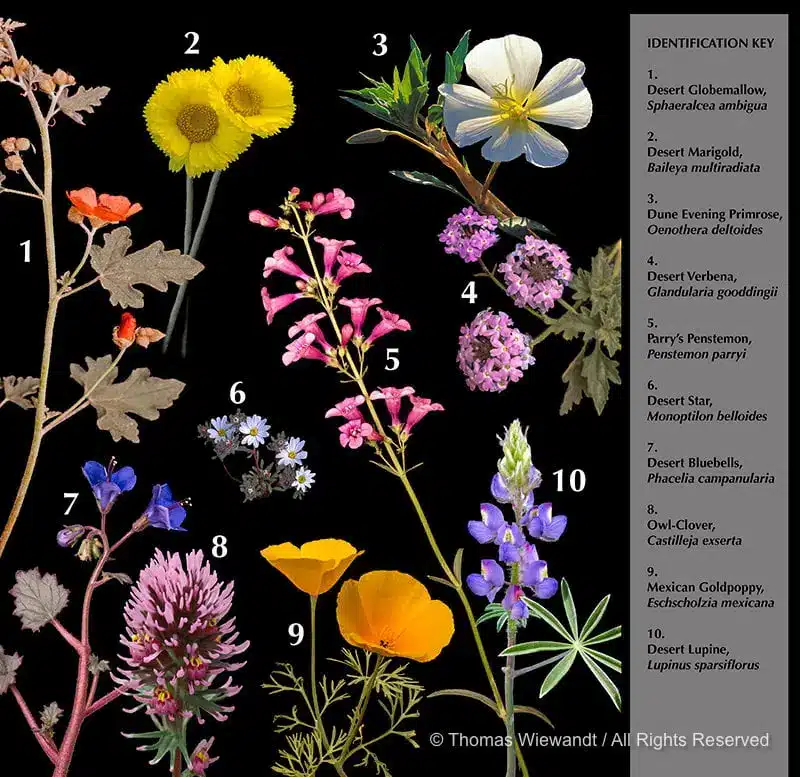
Wildflowers
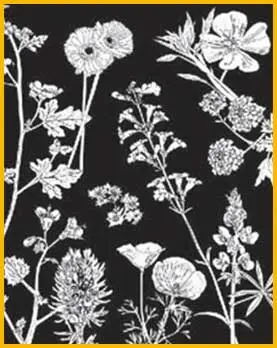
WILDFLOWERS
-
- Click Image to enlarge
Praise for Desert Dreams Coloring Book
“I was pleased to recently receive as a gift a copy of Desert Dreams Coloring Book. The coloring pages are beautifully rendered showing many of the animals I enjoyed seeing in the film Desert Dreams : Celebrating Five Seasons in the Sonoran Desert by Thomas Wiewandt.
If this book had been available when I was a school teacher, I would have used both it and the film to teach my students about the amazing Sonoran Desert and its fascinating wildlife.
There is another coloring book with the same title, Desert Dreams. It is illustrated by Geninne D. Zlatkin and published by Amber Lotus. Its illustrations are cute, however I prefer the more sophisticated illustrations in the Desert Dreams Coloring Book published using scenes from the film by Thomas Wiewandt.”
~ Susan O., Tucson Arizona, reviewer on Amazon.com
“This coloring book is delightful, the illustrations are beautiful and it’s printed on thick, high quality paper. My 3 year old also loves it. I love that it is printed in Arizona and is linked to a website where you can learn more about the plants and animals shown in the pictures. A lovely coloring book that is also educational about the beautiful Sonoran desert. You can tell a lot of care went into making it. Highly recommended!”
~ J. Jannusch, reviewer on Amazon.com